
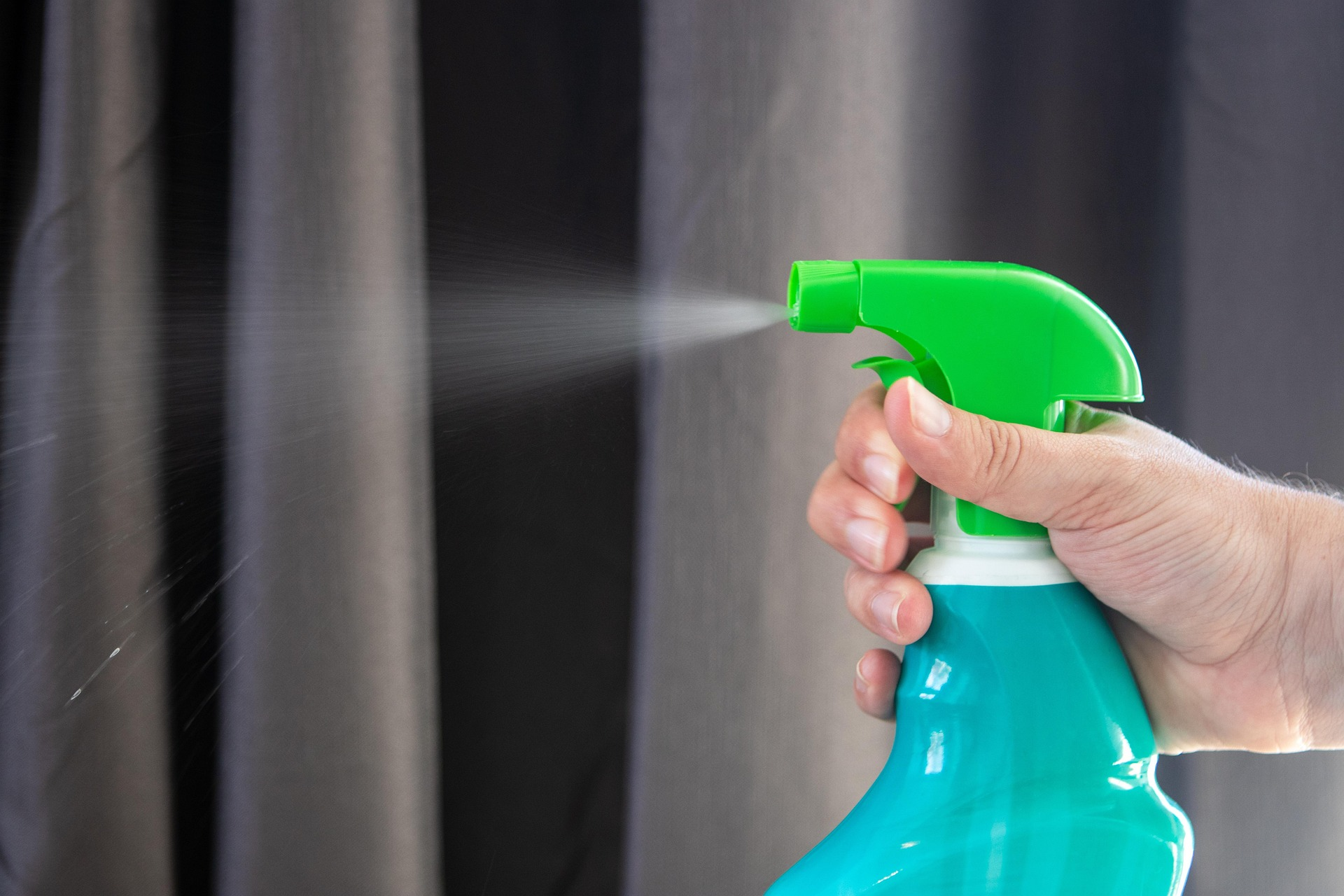
How to Sanitize High Touch Surfaces at Home
The light switch by the kitchen, the refrigerator handle, the bathroom faucet, and the remote control collect fingerprints and oils long before floors start looking dusty. Knowing how to sanitize high touch surfaces allows you to focus your cleaning efforts where they matter most, keeping your household fresh without turning chores into an all-day project.
For busy homes and apartments around Atlanta, the objective is not impossible perfection. Instead, it is establishing a simple, reliable routine that minimizes germs, removes daily grime, and maintains a healthy living environment.
Cleaning vs. Sanitizing vs. Disinfecting
These terms are frequently used interchangeably, but they perform very different tasks:
- Cleaning: Removes visible soil, crumbs, dust, and grease from a surface.
- Sanitizing: Reduces the number of germs on a surface to a safer, hygienic level.
- Disinfecting: Kills or inactivates a broader spectrum of bacteria and viruses depending on the product label.
For regular household upkeep, cleaning followed by sanitizing is usually sufficient. However, if someone is recovering from an illness or if a surface encounters raw meat or bodily fluids, disinfecting is necessary. Always check product labels for required contact times—spraying and wiping a sanitizer away immediately prevents it from working effectively.
Key High-Touch Areas That Need Attention
High-touch points are items handled repeatedly throughout the day. To keep your home protected, prioritize these key zones:
- Entrances & Living Areas: Door knobs, light switches, stair rails, remote controls, and keyboards.
- Kitchens: Refrigerator handles, cabinet pulls, microwave buttons, and faucet levers.
- Bathrooms: Toilet flush handles, faucet knobs, and vanity handles.
Step-by-Step Guide to Sanitize High Touch Surfaces Safely
Executing your cleaning routine correctly ensures maximum protection without damaging your belongings:
- Remove visible debris: Wipe down counters and handles with warm soapy water or an all-purpose cleaner to clear away grease and food residue.
- Apply the sanitizer: Spray or apply your chosen product, ensuring the surface remains visibly wet for the full contact time specified on the label.
- Use clean cloths: Switch to fresh microfiber towels when moving between rooms, especially from bathrooms to kitchens, to avoid cross-contamination.
- Observe safety rules: Never mix cleaning chemicals, particularly bleach and ammonia, as dangerous fumes can result.
Tailoring Products to Different Surfaces
Not all materials tolerate the same cleaning agents. Hard nonporous surfaces like sealed stone and metal handles handle standard solutions well, but electronics require specialized care. Never spray liquids directly onto screens, keyboards, or remotes; instead, apply an electronics-safe cleaner to a soft cloth first. Similarly, natural stone and untreated wood require specialized products to prevent dull finishes or discoloration.
Conclusion and Professional Support
Building a consistent routine focused on high-touch areas keeps your home healthy and manageable. When you need a complete property refresh, Fast Cleaning Service is here to help.
Ready to enjoy a spotless, professionally maintained home in Atlanta? Contact Fast Cleaning Service today to book your next cleaning appointment with complete confidence!

🌐 Online Booking: fastcleaning-service.com/book/
📞 Phone: +1 (786) 603-0929
Leave a Reply